
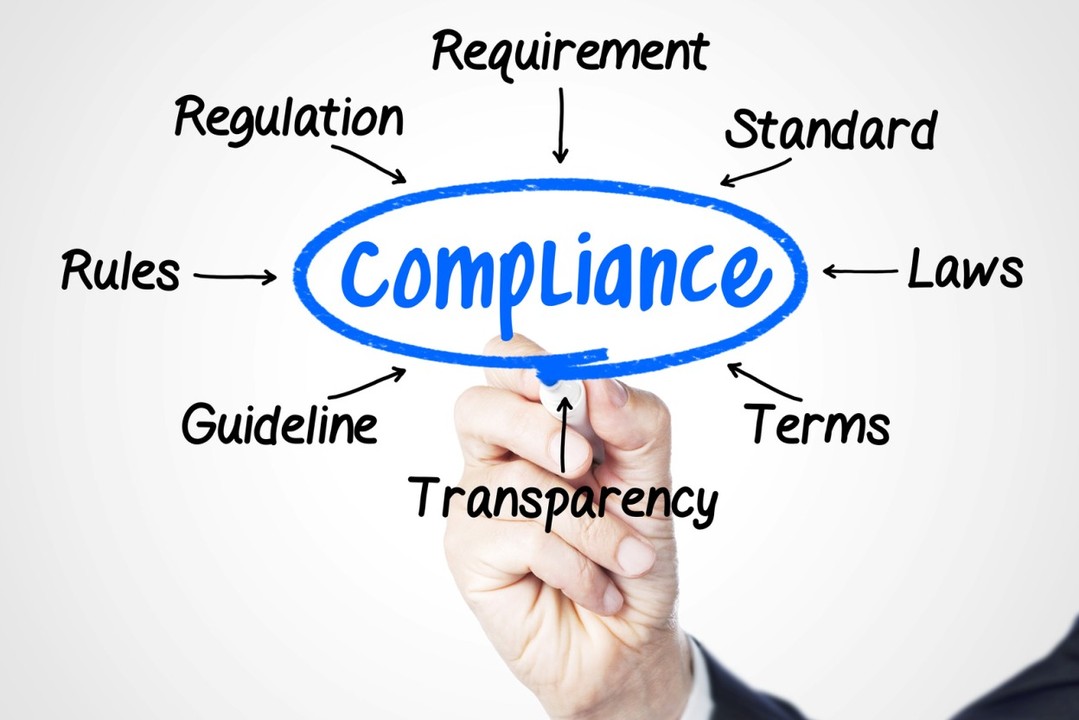
Introduction: More Than a Legal Obligation
In the fast-paced, interconnected world of global commerce, the domains of legal and compliance are no longer relegated to the sidelines of corporate operations. Instead, they have taken center stage, shaping how organizations conduct business, build trust, and navigate complexity. Far beyond mere box-checking, legal and compliance frameworks define the ethical posture of a company, influence its reputation, and play a critical role in sustainable growth. With regulatory landscapes constantly shifting and public expectations rising, organizations must prioritize these functions as strategic assets, not just protective mechanisms.
Understanding the Foundations: Legal vs. Compliance
Although intertwined, legal and compliance represent two distinct spheres of governance. The legal function pertains to adhering to statutory requirements, such as employment law, tax codes, intellectual property rights, and regulatory filings. It ensures the company’s operations are within the framework of established law. In contrast, compliance encompasses both legal requirements and voluntary internal policies designed to promote ethical behavior and mitigate risk. It involves monitoring processes, guiding corporate behavior, and aligning employee conduct with not only the law but also with broader moral standards and corporate values.
The Strategic Value of Legal and Compliance Functions
A mature legal and compliance structure provides more than just defense against liability—it acts as a compass guiding the company through ethical dilemmas, competitive pressures, and regulatory uncertainties. Businesses that embed these principles into their culture tend to:
-
Minimize legal and financial risks
-
Cultivate stronger stakeholder trust
-
Enhance operational resilience
-
Improve investor confidence
-
Build long-term brand value
In essence, sound legal and compliance practices form the bedrock of corporate integrity.
Core Components of an Effective Legal and Compliance Program
To establish a robust framework, companies must structure their legal and compliance efforts around several critical pillars:
1. Leadership Commitment and Governance
-
Senior management must lead by example, visibly prioritizing ethical practices
-
Dedicated compliance officers and general counsels should report directly to the board or audit committee
-
Clear governance structures must outline roles, responsibilities, and accountability
2. Comprehensive Risk Assessments
-
Regular evaluations identify potential vulnerabilities in areas such as bribery, data protection, environmental standards, and financial reporting
-
Risks should be categorized, prioritized, and integrated into corporate strategy
3. Policy Development and Implementation
-
Clear and accessible policies, including codes of conduct, anti-corruption protocols, whistleblower protections, and cybersecurity policies, form the backbone of a compliance program
-
All documents must be well-communicated, periodically reviewed, and updated to reflect evolving legal landscapes
4. Employee Education and Engagement
-
Ongoing training sessions, both mandatory and elective, are essential to reinforce expectations and awareness
-
Practical, scenario-based learning helps employees apply policies in real-world contexts
5. Continuous Monitoring and Auditing
-
Internal controls, data analytics, and independent audits should monitor adherence and flag irregularities
-
Mechanisms must be in place to track regulatory developments and adjust protocols accordingly
6. Incident Response and Remediation
-
Violations should trigger swift investigation, transparent communication, and appropriate disciplinary action
-
Lessons learned must translate into updated procedures and organizational learning
Common Challenges and How to Overcome Them
Even well-intentioned organizations can struggle to maintain robust legal and compliance cultures. Key challenges include:
-
Lack of top-down commitment: Without executive buy-in, compliance initiatives often lack credibility or effectiveness
-
Global inconsistency: Multinational corporations must balance global policies with local legal nuances and cultural expectations
-
Resource constraints: Underfunded compliance departments may struggle with monitoring, training, or enforcement
-
Complex regulatory environments: Rapidly changing rules across jurisdictions can be difficult to interpret and implement
To address these challenges, companies should:
-
Foster a culture of openness where employees feel safe to report concerns
-
Invest in professional development and capacity-building for legal and compliance teams
-
Use modern technology to enhance monitoring, reporting, and document management
-
Collaborate with external legal advisors for guidance on complex or emerging regulations
The Digital Dimension: Leveraging Technology in Compliance
Technology is revolutionizing the way legal and compliance functions operate. Innovative tools offer real-time risk assessment, automate document reviews, and simplify regulatory reporting. Key technologies include:
-
AI and machine learning: Used to detect patterns in data that may indicate fraud or misconduct
-
Blockchain: Enhances transparency and traceability in supply chains and financial transactions
-
Cloud-based compliance platforms: Centralize policy management, training modules, and audit trails
-
Data analytics: Provide insights into compliance trends and areas of exposure
By embracing these tools, organizations can improve efficiency, reduce human error, and proactively manage risks.
Global Trends Shaping the Future of Legal and Compliance
Several significant trends are reshaping the global compliance landscape:
-
Data privacy and security: Stringent laws like the GDPR and CCPA demand greater accountability in data handling
-
ESG (Environmental, Social, and Governance): Compliance programs are expanding to include climate impact, labor practices, and board diversity
-
Whistleblower empowerment: New protections and incentives encourage internal reporting and hold organizations accountable
-
Third-party risk: Companies are increasingly liable for the actions of their partners, suppliers, and contractors, demanding broader due diligence
These shifts highlight the growing complexity and scope of legal and compliance responsibilities in modern enterprises.
Creating a Culture of Compliance: The Human Factor
At the heart of every successful compliance program lies an organizational culture that prioritizes integrity. Culture cannot be legislated—it must be cultivated. Employees must believe in the importance of doing the right thing, not simply because it is mandated, but because it reflects the company’s values. Building such a culture requires:
-
Authentic leadership committed to ethical conduct
-
Transparent decision-making and open dialogue
-
Recognition and reward systems that value integrity
-
Regular assessments of ethical climate and employee sentiment
When compliance becomes part of the organizational identity, it ceases to be a burden and becomes a source of pride.
Conclusion: A Future Anchored in Accountability
Legal and compliance functions are no longer peripheral—they are essential. In a world where public perception, legal frameworks, and ethical standards are evolving in real time, organizations must approach compliance as a dynamic and strategic priority. By investing in strong frameworks, embracing innovation, and fostering a values-driven culture, companies not only shield themselves from risk but also position themselves for lasting success. Ultimately, legal and compliance excellence is not just about avoiding wrongdoing—it’s about doing what’s right, consistently, transparently, and confidently.

