
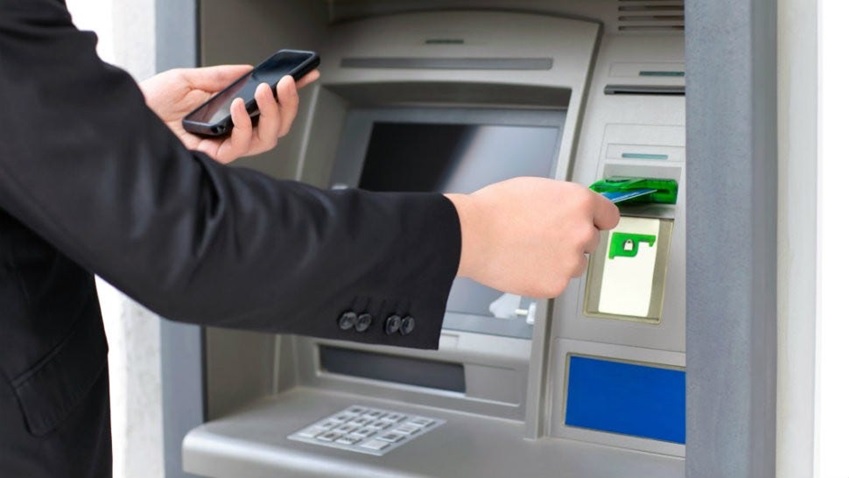
Installing an ATM can give customers convenient access to cash while creating an additional revenue opportunity for your business. However, installing an ATM involves more than placing the machine in a convenient location and connecting it to a power source.
A DIY installation may appear to save money upfront, but ATM placement can involve physical security, electrical requirements, accessibility, connectivity, transaction processing, and site-specific considerations. Professional ATM installation helps ensure these details are addressed correctly before the machine begins serving customers.
Here are the key differences between DIY and professional ATM installation.
1. Physical Safety and ATM Security
An ATM contains cash and can be a target for theft, tampering, or vandalism. How the machine is positioned and secured can therefore be just as important as the ATM model itself.
A DIY installation may overlook important considerations such as:
- Properly anchoring the ATM
- Selecting a secure location
- Maintaining adequate visibility
- Providing sufficient lighting
- Positioning security cameras effectively
- Protecting the machine from unauthorized access
- Allowing customers to approach and use the ATM safely
Professional installers can evaluate the installation location and determine what type of anchoring and physical setup is appropriate for the machine and property.
For businesses installing an ATM in an exterior location or other higher-risk area, security planning becomes particularly important.
2. Accessibility and Regulatory Requirements
ATM installation can involve accessibility and building requirements that should be considered before the machine is installed.
For businesses covered by the Americans with Disabilities Act, applicable ADA requirements can affect how an ATM and its surrounding area are designed and accessed. The U.S. Department of Justice’s ADA Standards address accessible ATM features and requirements for accessible routes and controls.
Other requirements may involve:
- Electrical codes
- Building requirements
- Local permits
- Property-owner requirements
- Accessibility considerations
- Installation specifications
- Exterior or structural modifications
The exact requirements depend on the property, jurisdiction, and type of installation.
A professional installer can help identify installation requirements before work begins and coordinate with the appropriate professionals when electrical, structural, or permitting work is necessary.
3. Electrical and Network Setup
An ATM needs more than physical placement. It requires dependable power and a reliable communication connection to process transactions.
Depending on the equipment and installation, the setup may involve:
- Electrical connections
- Network or internet connectivity
- Cellular communication
- Transaction-processing configuration
- Equipment testing
- Receipt printer configuration
- Communication troubleshooting
Improper connections can cause communication failures, transaction interruptions, or unnecessary downtime.
A professional installation helps verify that the machine is properly connected and communicating with the processing network before it is placed into service.
4. Proper ATM Placement
Where an ATM is installed can affect both security and transaction volume.
A location should provide convenient customer access while also allowing the business to monitor the machine effectively. Factors to consider include:
- Customer traffic
- Visibility
- Lighting
- Security-camera coverage
- Accessibility
- Available floor or wall space
- Electrical access
- Network availability
- Distance from potential hazards
- Indoor or outdoor exposure
A professional installer can help identify practical installation requirements based on the ATM model and the characteristics of the site.
Placement is also a business decision. An ATM that is difficult to find or inconvenient to access may generate fewer transactions than one positioned in a visible, convenient area.
5. Technical Configuration
Modern ATMs rely on hardware and software working together to complete transactions.
Installation and deployment can involve configuring and testing components such as:
- Card readers
- PIN pads
- Cash dispensers
- Receipt printers
- Displays
- Communication systems
- Security features
- Transaction-processing connections
A professional installer or ATM provider can test these components before the machine is made available to customers.
This is particularly important because an ATM that appears to be functioning correctly may still experience communication or transaction-processing problems if it has not been properly configured.
6. Payment and ATM Security
Physical installation is only one part of ATM security.
The ATM also participates in a payment environment that requires appropriate security controls. PCI Security Standards Council resources address payment-data security and ATM-related risks, including threats involving ATM cash-out attacks.
Depending on the ATM and processing arrangement, security considerations can include:
- Secure PIN entry
- Anti-skimming measures
- Tamper detection
- Secure network communications
- Software and firmware updates
- Physical access controls
- Monitoring
- Regular inspections
A professional ATM provider can help ensure that the equipment is deployed according to the manufacturer’s and processor’s requirements.
7. Testing Before the ATM Goes Live
One advantage of professional installation is having the machine tested before customers begin using it.
A proper installation check may include:
- Power testing
- Network connectivity
- Card-reader testing
- Cash-dispensing tests
- Receipt printing
- Transaction communication
- Security checks
- Error monitoring
Testing helps identify problems before they affect customers.
For a business, this can be especially important because an ATM that is unavailable for an extended period may result in lost transaction opportunities and a poor customer experience.
8. Maintenance and Technical Support
The installation is only the beginning of ATM ownership.
ATMs contain mechanical and electronic components that may eventually require maintenance or replacement. Common issues can involve card readers, receipt printers, cash-dispensing mechanisms, displays, locks, communication equipment, or other components.
When you work with a professional ATM provider, you may have access to services such as:
- Routine maintenance
- Troubleshooting
- Emergency repairs
- Parts replacement
- Software support
- Network troubleshooting
- Cash-management assistance
- Equipment monitoring
The services included depend on the provider and agreement, so businesses should review the terms before installation.
9. DIY Installation May Not Be the Cheapest Option
DIY installation can appear less expensive because you may avoid a professional installation fee.
However, the actual cost should include more than labor.
Consider the potential cost of:
- Incorrect installation
- Electrical work
- Site modifications
- Replacement hardware
- Troubleshooting
- Downtime
- Security improvements
- Reinstallation
- Professional repairs
If an ATM is improperly installed and needs to be moved or repaired, the savings from skipping professional installation may disappear quickly.
For businesses without the appropriate technical or construction experience, professional installation can provide a more predictable setup.
10. DIY vs. Professional ATM Installation
The main difference is the level of responsibility involved.
| DIY ATM Installation | Professional ATM Installation |
| Business handles installation | Installer handles the installation process |
| May require the business to determine site requirements | Installer can evaluate installation requirements |
| Business handles troubleshooting | Professional support may be available |
| Greater risk of installation mistakes | Installation follows equipment and site requirements |
| May require separate technical assistance | Installation and testing may be coordinated |
| Potentially lower upfront labor cost | Higher upfront service cost but potentially less installation risk |
Not every ATM installation has the same requirements. A simple indoor placement may be relatively straightforward, while a through-the-wall or exterior installation can require substantially more work.
When DIY Installation May Be Appropriate
Professional installation is not necessarily required for every situation.
A business may have qualified personnel who can handle certain installation tasks, particularly when the site is already prepared and the ATM provider allows customer-performed installation.
However, businesses should first confirm the requirements with the ATM manufacturer, processor, and property owner.
If electrical, structural, accessibility, or security work is involved, it is generally better to use appropriately qualified professionals rather than attempting unfamiliar work.
When Professional ATM Installation Makes More Sense
Professional installation is especially useful when:
- The ATM requires structural modifications
- Electrical work is necessary
- The machine is being installed through a wall
- The ATM will be installed outdoors
- The location has significant security concerns
- Network connectivity needs to be configured
- Accessibility requirements need to be considered
- The business wants installation and ongoing support from one provider
- Employees do not have the necessary technical or installation experience
A professional installation can reduce the risk of avoidable problems and help the ATM become operational sooner.
Questions to Ask Before Hiring an ATM Installer
Before choosing an ATM installation provider, ask:
- Does the installation include delivery and setup?
- Is physical anchoring included?
- Who handles electrical work if it is required?
- Does the installation include network or communication setup?
- Will the ATM be tested before going live?
- What happens if the machine develops a problem after installation?
- Is maintenance included in the agreement?
- Who is responsible for permits or site approvals?
- What accessibility requirements apply to the proposed location?
- Does the provider offer ongoing technical support?
Getting these details in writing can make it easier to compare providers and understand the actual cost of installation.
Final Thoughts
The difference between DIY and professional ATM installation goes beyond who physically sets up the machine. A successful ATM installation requires attention to security, accessibility, electrical requirements, connectivity, transaction processing, testing, and long-term maintenance.
DIY installation may be suitable for certain prepared locations and qualified businesses, but professional installation can reduce the risk of installation problems and provide access to technical support when it is needed.
If you’re considering adding an ATM to your business, contact a professional ATM installation provider to evaluate your location, equipment, connectivity, security requirements, and ongoing support options. A proper installation can help your ATM operate reliably while providing customers with convenient access to cash.
This post was written by a professional at Atlantic Processing. Atlantic Processing, headquartered in the Tampa Bay area, is a leading national ATM processing and service provider. We specialize in comprehensive ATM placements, processing, sales, and service, catering to retail and financial institutions across the United States. Our commitment to excellence and customer satisfaction ensures that our clients receive top-tier service and support. Whether you need a new ATM installation, efficient processing solutions, or reliable maintenance, Atlantic Processing is your trusted partner in keeping your ATM operations running smoothly and efficiently.

