
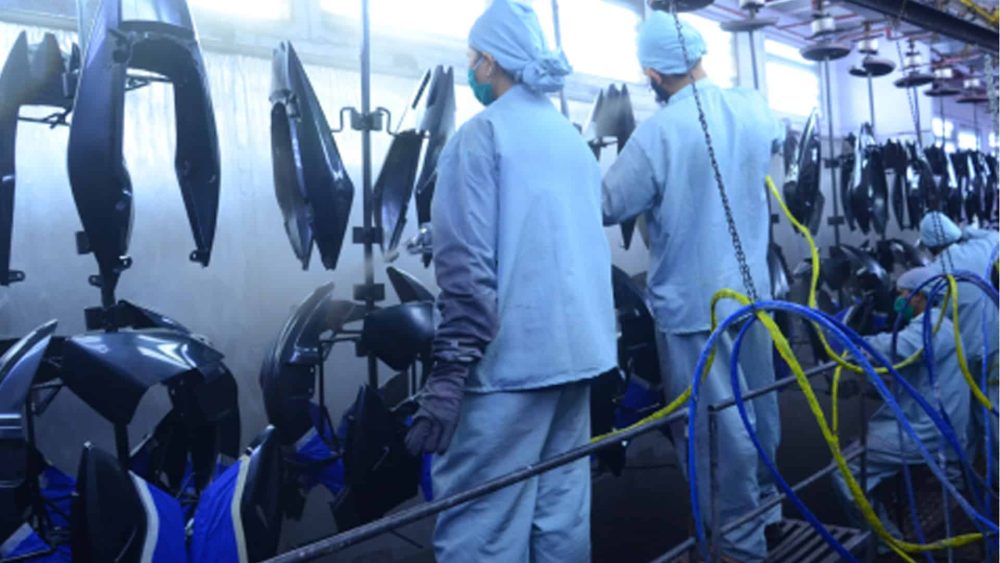
Introduction: Understanding the Pulse of Industrial Progress
Industries form the foundation of modern civilization. They are the structured systems by which raw materials are transformed into usable products, services are rendered efficiently, and economies are powered forward. From the soot-covered factories of the Industrial Revolution to today’s high-tech manufacturing hubs and service-driven digital economies, industries have undergone seismic shifts in their structure, purpose, and influence. Understanding the nature and trajectory of industries is crucial for grasping the broader socio-economic patterns of our world.
The Classification of Industries: A Structural Overview
Industries are broadly classified into several types based on their primary activity. Each plays a unique role in the global economy.
1. Primary Industries
These include activities that involve the extraction and harvesting of natural resources.
-
Agriculture
-
Fishing
-
Forestry
-
Mining
These industries form the base of the economic pyramid, especially in developing nations where they constitute a major portion of employment and GDP.
2. Secondary Industries
These industries involve the transformation of raw materials into finished goods.
-
Manufacturing
-
Construction
-
Textile and Apparel Production
-
Automobile Industry
Secondary industries are often associated with industrialization and urbanization, acting as catalysts for infrastructural and economic development.
3. Tertiary Industries
These are service-based industries that support both consumers and businesses.
-
Banking and Finance
-
Retail and E-Commerce
-
Hospitality and Tourism
-
Healthcare
The rise of the tertiary sector marks a shift toward a consumer-oriented, service-driven economic model in most developed countries.
4. Quaternary and Quinary Industries
These sectors represent the newest layers of economic evolution.
-
Quaternary: Information technology, research, education
-
Quinary: High-level decision-making roles such as CEOs, policymakers, and top-tier consultants
These knowledge-based industries are shaping the future of economies, with an emphasis on innovation, strategy, and leadership.
Industrialization: The Catalyst of Change
The journey of industrial evolution began with the First Industrial Revolution in the late 18th century. Powered by steam engines and mechanized production, it changed the face of labor, trade, and society. The Second Revolution introduced electricity and mass production. The Third brought automation and computing. Today, we are amid the Fourth Industrial Revolution, characterized by artificial intelligence, robotics, and big data.
This wave of technological convergence is dismantling traditional industrial boundaries, creating hybrid models like fintech (finance + technology), agritech (agriculture + technology), and edtech (education + technology). The synergy of innovation and industry is now the hallmark of economic resilience and global competitiveness.
The Global Distribution of Industrial Power
Industrial development varies widely across regions due to factors like natural resources, infrastructure, labor availability, and political stability.
-
United States: A leader in aerospace, finance, technology, and pharmaceuticals.
-
China: The global hub for manufacturing and heavy industry.
-
Germany: Known for engineering excellence and precision manufacturing.
-
India: A growing force in IT services, pharmaceuticals, and textiles.
Emerging markets in Southeast Asia, Africa, and Latin America are also rapidly industrializing, driven by foreign investments, digital infrastructure, and a young, skilled workforce.
Sustainability and the Industrial Shift
The growing awareness of climate change and resource depletion has pushed industries to rethink their strategies. Terms like green industry, circular economy, and carbon neutrality are now more than buzzwords — they represent a shift in how industries design, produce, and distribute.
Key sustainability trends include:
-
Energy-efficient manufacturing
-
Waste reduction through recycling and reuse
-
Adoption of renewable energy sources
-
Green certifications and ethical sourcing
Eco-conscious industries are not only reducing their environmental footprint but also enhancing their long-term profitability by aligning with consumer expectations and regulatory frameworks.
Digital Transformation: The Smart Industry Era
Digitization is no longer optional. It’s the engine driving productivity, efficiency, and innovation across all sectors. The concept of Industry 4.0 encapsulates this revolution.
Core elements include:
-
Internet of Things (IoT): Connecting machinery and systems for real-time data analysis.
-
Artificial Intelligence: Enhancing decision-making, predictive maintenance, and customer personalization.
-
3D Printing: Revolutionizing production logistics and customization.
-
Blockchain: Ensuring transparent and tamper-proof supply chains.
Smart industries leverage data as a strategic asset, resulting in reduced costs, better forecasting, and enhanced customer experiences.
Challenges Faced by Modern Industries
Despite advancements, industries today face significant hurdles.
-
Geopolitical instability: Trade wars, sanctions, and shifting alliances can disrupt global supply chains.
-
Labor displacement: Automation and AI risk rendering certain jobs obsolete.
-
Cybersecurity threats: With digital transformation comes vulnerability to cyberattacks.
-
Regulatory pressures: Compliance with environmental and safety norms is increasingly complex.
Navigating these challenges requires adaptability, foresight, and collaborative global frameworks.
The Human Element: Reskilling and Inclusion
Industries are ultimately driven by people. As machines and algorithms take over repetitive tasks, human roles are shifting toward creativity, emotional intelligence, and complex problem-solving.
Governments and organizations must prioritize:
-
Reskilling and upskilling initiatives
-
Inclusive hiring practices
-
Mental well-being in high-pressure environments
-
Diversity in leadership and technical roles
A future-ready industry is not only technologically advanced but also socially responsible and human-centric.
Conclusion: Toward a Harmonized Industrial Future
Industries have always been mirrors reflecting the aspirations, values, and capabilities of societies. As we advance further into a hyper-connected, rapidly evolving global economy, industries will continue to be the engines of innovation, prosperity, and progress.
The challenge lies in balancing growth with responsibility — embracing technology while honoring ethics, maximizing output without marginalizing people, and expanding horizons without exhausting the planet. The future of industries is not just about machines or profits, but about crafting a world that works better — for everyone.

