
Introduction: The Silent Conversation Between Business and Consumer
In the sophisticated theater of modern commerce, businesses are no longer judged solely by the quality of their products or services. They are evaluated by their presence, their narrative, and the emotional chord they strike with their audience. At the heart of this dynamic lies the dual force of marketing and branding—two disciplines that, when harmonized with intention and intelligence, can elevate a business from transactional to transcendent. Branding provides the essence of identity; marketing ensures that essence is understood, embraced, and acted upon by the world. Together, they choreograph the journey from awareness to loyalty, from anonymity to iconic status.
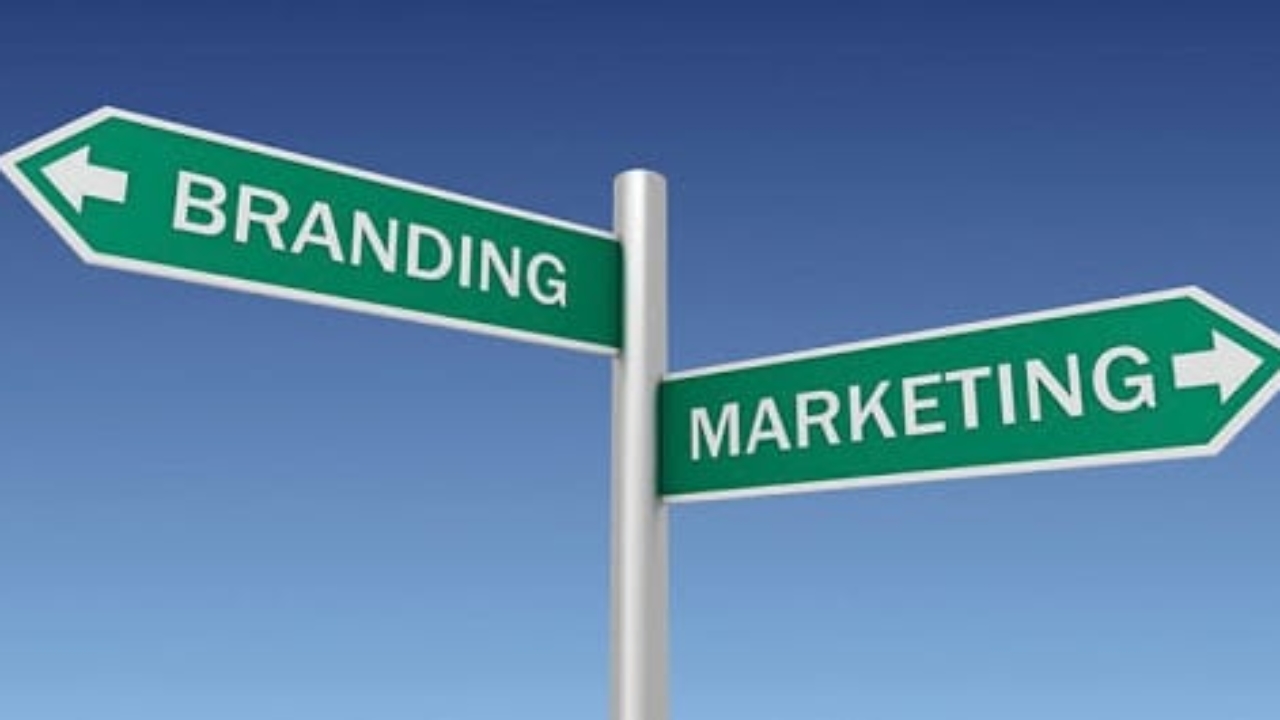
Defining the Concepts: Branding vs. Marketing
Though often used interchangeably, branding and marketing are distinct yet symbiotic. Branding is the strategic blueprint of a company’s persona—the ethos, values, and promise it extends to its audience. Marketing, in contrast, is the orchestration of messages, campaigns, and tactics designed to convey that persona across various platforms to achieve measurable goals. One shapes perception, the other drives action.
The Pillars of an Enduring Brand
An authentic and well-articulated brand acts as the emotional core of a business. It is not just how a company looks but how it lives in the minds and hearts of consumers.
Key elements of effective branding include:
-
Brand Purpose: The “why” that underpins a company’s existence beyond profits. Purpose-driven brands inspire trust and advocacy.
-
Brand Identity: The visual vocabulary—logos, colors, fonts—that provides consistency and recognizability.
-
Brand Voice and Tone: The style of communication, be it formal, witty, or conversational, that reinforces personality.
-
Brand Positioning: The unique value proposition and space the brand occupies relative to competitors in the minds of consumers.
-
Brand Story: A compelling narrative that binds origin, mission, and vision into a resonant message.
Marketing: The Strategic Engine of Brand Expression
If branding sets the tone, marketing provides the stage and the script. Effective marketing transforms brand principles into meaningful interactions. It isn’t merely about selling; it’s about creating connections, solving problems, and delivering consistent value.
Core marketing functions include:
-
Market Segmentation: Dividing the broader market into specific, identifiable groups for targeted messaging.
-
Content Strategy: Crafting valuable and relevant content that reflects brand values and educates or entertains.
-
Channel Optimization: Selecting and refining digital and offline platforms—email, SEO, PPC, social media, and traditional media—for maximum reach and engagement.
-
Analytics and Feedback Loops: Measuring performance with KPIs such as CTR, conversion rates, and customer lifetime value to continuously refine strategy.
-
Campaign Design: Executing time-bound initiatives that align business goals with consumer interest and seasonal trends.
The Interplay of Branding and Marketing
While branding is foundational, it is through marketing that its voice echoes across consumer touchpoints. An effective strategy ensures marketing is never an isolated activity but an authentic expression of brand DNA. The alignment of branding and marketing enables businesses to:
-
Build trust through consistency across all customer interactions
-
Establish recognition through repetition and creative coherence
-
Drive engagement through emotional and narrative resonance
-
Sustain loyalty by upholding the brand promise with every campaign
Case Study Insights: Brand-Market Synergy in Action
-
Apple: Apple’s minimalist brand aesthetic is echoed through every marketing piece—from its product launches to its website and packaging. The seamless alignment between brand and marketing has cultivated a near-cult following.
-
Patagonia: Branding rooted in sustainability and activism is reinforced through marketing that highlights environmental initiatives rather than just product features, solidifying trust and loyalty.
-
Spotify: With a brand voice that is playful and people-centric, Spotify’s data-driven marketing campaigns like “Wrapped” mirror its identity while deeply engaging users on a personal level.
Avoiding Strategic Pitfalls
Even well-intentioned campaigns can falter when marketing and branding fall out of sync. Common missteps include:
-
Incoherent Messaging: Campaigns that contradict brand values or tone create confusion.
-
Overemphasis on Trends: Chasing viral moments without brand relevance can dilute long-term equity.
-
Neglecting Customer Sentiment: Ignoring feedback or market shifts can render both branding and marketing obsolete.
-
Brand Overreach: Stretching the brand promise beyond its authenticity can lead to consumer skepticism.
The Rise of Personalization and Purpose
In today’s experience-driven economy, personalization is not just a tactic—it’s an expectation. Customers demand relevance, and brands must deliver tailored content without sacrificing their core identity. Furthermore, purpose-led marketing is reshaping the landscape. Brands with clear societal or environmental missions, when marketed transparently, are enjoying deeper connections and greater resilience.
Strategies for Harmonizing Marketing and Branding
-
Establish Brand Guidelines: A comprehensive brand book ensures that all marketing outputs reflect consistent visuals, tone, and message.
-
Integrated Communication Planning: Ensure that marketing teams work hand-in-hand with brand strategists from ideation to execution.
-
Invest in Storytelling: Let the brand narrative permeate marketing materials, creating continuity and emotional pull.
-
Leverage Customer Data: Use insights to tailor messages while ensuring that personalization aligns with the brand’s values and boundaries.
-
Evaluate Holistically: Measure success not just in sales but in sentiment, awareness, and loyalty to understand the full impact.
Conclusion: Building Brand Legacies Through Marketing Excellence
In the end, the most successful businesses are those that treat branding and marketing not as isolated departments, but as interwoven disciplines that inform every decision, every message, and every customer interaction. Marketing amplifies the voice of the brand, while branding ensures that voice is distinct and meaningful. In a world of fleeting attention and saturated markets, the businesses that rise to the top are those that remain authentic, adaptable, and relentlessly aligned in message and mission. The true art lies in not just being seen, but being remembered. Not just selling, but inspiring. Through the masterful blend of marketing and branding, a business does not merely grow—it evolves into something iconic.

