
Introduction: The Power of Perception in a Noisy Marketplace
In a global marketplace brimming with choices, the way a business presents itself is no longer just a matter of aesthetics—it’s a matter of survival. Consumers don’t simply buy products; they buy stories, identities, and trust. This is where marketing and branding come into play. While marketing actively reaches out to engage potential customers, branding quietly cultivates meaning and loyalty. Together, they form a strategic alliance that propels businesses from mere visibility to enduring relevance. Their combined power can transform a transactional company into an emotional experience, building long-term equity and competitive advantage.
Understanding the Fundamentals: What Is Branding?
Branding is not just the external face of a company—it is the embodiment of its soul. It encompasses a company’s values, mission, voice, and visual identity. At its best, branding is a promise kept consistently over time. It tells consumers what to expect, what the company stands for, and why it matters.
Key Components of Branding
-
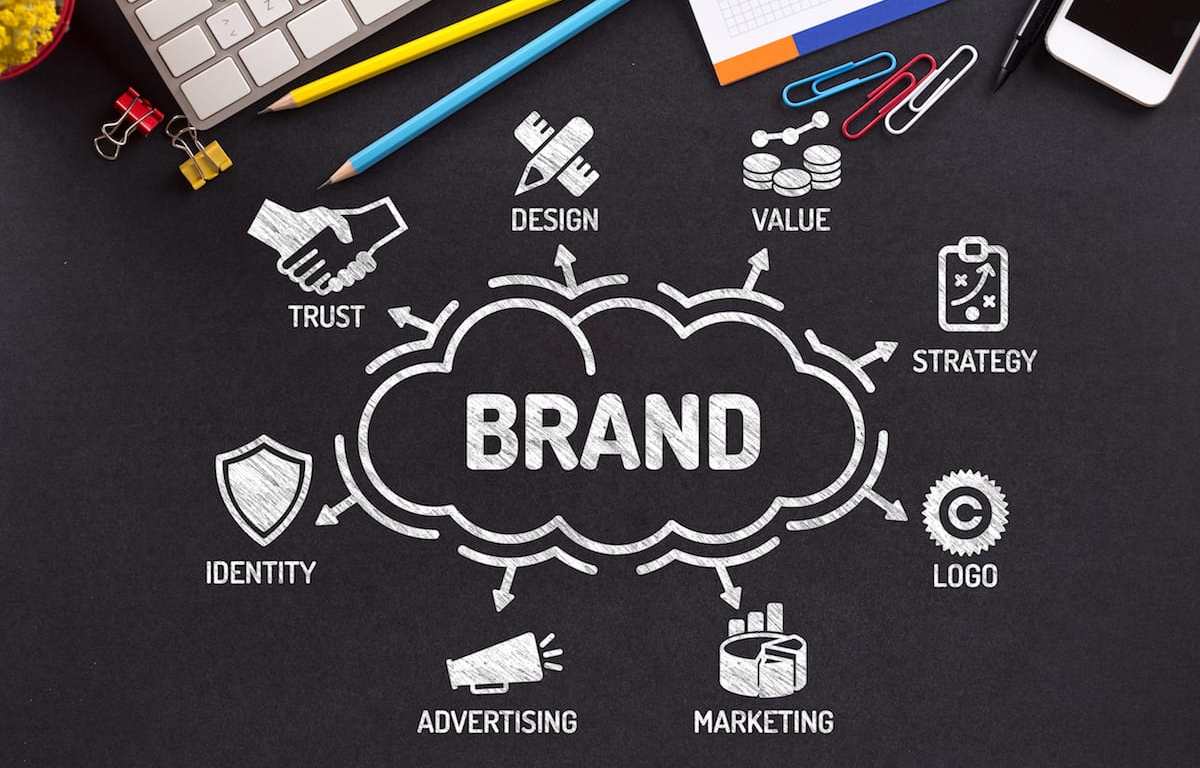
Brand Identity: This includes the visual elements—logo, color palette, typography, and design language—that create recognition and differentiate the brand.
-
Brand Voice and Tone: The way a company communicates, whether it’s playful, authoritative, or compassionate, reflects its personality.
-
Brand Positioning: Where a brand stands in the competitive landscape and how it’s perceived in the consumer’s mind.
-
Brand Purpose: The “why” behind the business. Companies like TOMS or The Body Shop have purpose-driven branding that resonates deeply with consumers.
-
Brand Storytelling: An authentic narrative that provides context, emotion, and continuity, connecting the audience on a deeper level.
Marketing Defined: The Strategy Behind Visibility and Engagement
Marketing, on the other hand, is the engine that drives consumer awareness and action. It is the tactical execution of messaging and outreach designed to promote, sell, and build relationships. While branding is about being, marketing is about doing. Yet, neither is effective without the other.
Key Pillars of Modern Marketing
-
Market Research and Consumer Insight: Understanding your audience’s needs, behaviors, and desires through data and observation.
-
Segmentation and Targeting: Dividing the market into segments and tailoring messages to resonate with specific audiences.
-
Content Strategy: Delivering meaningful and relevant content that aligns with brand voice while engaging and informing the audience.
-
Multi-Channel Integration: Executing campaigns across digital, print, social media, events, and other platforms in a cohesive manner.
-
Analytics and Optimization: Continuously measuring performance and refining strategies based on data insights.
The Relationship Between Marketing and Branding
Marketing and branding are not standalone efforts; they function in harmony. Without branding, marketing lacks depth. Without marketing, branding lacks reach. The brand sets the tone and identity; marketing expresses it to the world. They must be strategically aligned to create a coherent, compelling experience across all consumer touchpoints.
Synergistic Strategy: Aligning Brand and Marketing Efforts
To build a truly powerful presence in the market, companies must weave their branding into every aspect of their marketing strategies. This includes:
-
Unified Messaging: Every advertisement, blog post, or social media update should reflect the brand’s voice and values.
-
Visual Consistency: Design elements must remain consistent across all channels to strengthen brand recognition.
-
Purpose-Driven Campaigns: Marketing efforts should support the broader mission of the brand, creating alignment and authenticity.
-
Customer Experience Design: From website navigation to post-purchase communication, every interaction should be an expression of the brand.
Successful Case Studies: When Branding and Marketing Work in Tandem
-
Apple: Apple’s brand is synonymous with elegance, innovation, and simplicity. Their marketing reflects this through minimalist visuals, emotionally resonant messaging, and a focus on lifestyle rather than specs.
-
Airbnb: Branding around belonging and experiences, not lodging. Their marketing builds on this by sharing real stories from hosts and travelers, reinforcing their inclusive brand promise.
-
Nike: Branding around empowerment and performance, marketing driven by inspirational narratives and cultural relevance, especially through athlete endorsements and social impact messaging.
Common Pitfalls and How to Avoid Them
-
Brand Inconsistency: Conflicting messages or visuals across different platforms can confuse and alienate consumers.
-
Overemphasis on Promotion: When marketing focuses too heavily on sales without reinforcing brand values, it can undermine credibility.
-
Neglecting Customer Feedback: Brands that ignore the voice of the customer often drift into irrelevance. Continuous engagement and listening are essential.
-
Trend-Chasing Without Identity: Jumping on marketing trends without aligning them with brand values can appear inauthentic and short-lived.
Emerging Trends in Marketing and Branding
-
Personalized Branding Experiences
Consumers expect brands to speak directly to them. Personalization powered by AI and data analytics enables tailored messaging while maintaining brand consistency. -
Purpose-Led Brand Marketing
Brands that lead with ethics, sustainability, and social impact are building stronger emotional connections. Cause-driven campaigns foster loyalty beyond product satisfaction. -
Influencer and Community-Driven Branding
Collaborations with influencers who genuinely align with brand values create authenticity. User-generated content fosters community and builds trust organically. -
Immersive Brand Experiences
Augmented reality (AR), experiential marketing, and branded content platforms are becoming essential for creating memorable, interactive brand moments. -
Consistency in a Decentralized World
With so many digital touchpoints, ensuring a unified brand experience is more challenging and more critical than ever. Strong brand guidelines and cross-functional alignment are key.
Metrics That Matter: Measuring the Impact of Brand and Marketing Strategy
-
Brand Awareness: Assessed through surveys, social listening, and search volume.
-
Customer Lifetime Value (CLV): Indicates the financial value of brand loyalty.
-
Engagement Rates: Measures the resonance of marketing content.
-
Net Promoter Score (NPS): Gauges how likely customers are to recommend the brand.
-
Marketing ROI: Tracks return on advertising and promotional investments.
-
Brand Equity: Though harder to quantify, it reflects the intangible value of a trusted brand.
Conclusion: A Marriage of Meaning and Message
The true strength of a business today lies not just in what it offers, but in how it is perceived and remembered. Marketing and branding are two sides of the same coin—one tells the world about the company, the other shapes what the world believes about it. Together, they elevate a business from being just another option to becoming a preferred and loved choice. By investing thoughtfully in both, companies don’t just capture attention—they build identity, loyalty, and legacy. In an era where perception often shapes reality, the architecture of influence is built on the foundation of strategic branding and the scaffolding of compelling marketing.

